Skip to content
Best Sun Protection Jacket in India: Complete Buying Guide
- by IN Venzina

If your daily commute means stepping into high UV, sticky heat, and the occasional burst of monsoon rain, the right jacket can feel like air conditioning you can wear. This guide shows you how to choose the best sun protection jacket in India for bike rides, metro sprints, and city walks—using measurable specs (not buzzwords) so you can stay covered without overheating.
Who this guide is for (and what Indian summers demand)
This buying guide is tuned for daily commuters and city walkers in India—bikers, metro users, and office-goers who spend 30–60 minutes outside during high UV hours. Coastal cities (Mumbai, Chennai) bring relentless humidity, while interiors (Delhi and beyond) often swing to dry heat. Pre-monsoon weeks feel heavy and hot; short monsoon bursts test rain resistance and seam construction. The “best” jacket is the one that balances real UPF protection with excellent breathability and light-rain practicality for these windows.
UPF vs SPF, and how to verify a UPF 50+ label
UPF (Ultraviolet Protection Factor) is for fabrics; SPF is for sunscreens. A UPF 50 fabric allows about 1/50th of UV through—roughly 2%—which is why dermatology resources categorize UPF 50+ as “excellent” coverage. See the Skin Cancer Foundation’s plain-English breakdown of UPF categories and why UPF 50+ is widely recommended for high exposure contexts in their expert explainers and Seal program pages: refer to the Skin Cancer Foundation’s guidance on UPF categories and recommendations in the Seal of Recommendation overview and their expert answers on UPF clothing. For a medical-center perspective on UPF vs SPF, MD Anderson’s overview is a helpful reference.
When it comes to labels, trustworthy UPF claims are anchored in recognized test methods and sensible garment coverage:
-
AATCC TM183 covers instrumental UPF measurement for textiles; see AATCC’s UV-protective textile labeling flowchart for how TM183 sits alongside ASTM labeling guidance.
-
AS/NZS 4399:2017 (and 2020 update) provides sun-protective clothing labeling guidance used by labs in Australia and New Zealand; ARPANSA’s consumer page summarizes coverage rules and statements brands should include.
Two quick checks that increase confidence: look for a clear UPF value (ideally UPF 50+) with a named method or reputable lab, and confirm that coverage is meaningful (full sleeves, high collar/hood, torso coverage). Labels often note that protection applies only to covered areas and may be reduced when wet, stretched, or worn out.
Supplement clothing with broad-spectrum sunscreen on exposed skin. The upshot: for the best sun protection jacket in India, prioritize a credible UPF 50+ label on a garment that still breathes in heat and humidity.
Breathability and heat management: the numbers that matter
Here’s the deal: breathability is the dominant decision criterion for Indian commuters. The same face fabric that blocks wind and rain can also trap heat. To avoid that sauna effect, use these specs as your north star.
-
Air permeability (CFM via ASTM D737): How much air passes through fabric at a set pressure. Higher CFM means more convective cooling (and more wind passage). Independent testing communities and technical explainers discuss windshirts in roughly the 5–55 CFM range, with many commuters finding a 20–35 CFM “sweet spot” for cooling without excessive wind chill; fully waterproof shells are often near-zero CFM and feel stuffier. For foundations and relationships, see BackpackingLight’s CFM–MVTR explainer.
-
MVTR (g/m²/24h): Measures moisture vapor moving through the fabric. In humidity, MVTR matters but declines when the face fabric wets out; vents still help. Consumer advice on moisture transport and wet-out implications appears in REI’s rainwear breathability explainer.
-
RET (ISO 11092): A lower number means lower vapor resistance and better comfort under heat stress. Industry summaries commonly categorize RET under ~10 as excellent and ~10–12 as a good target for active commuting (see the ISO 11092 method overview for context).
Recommended commuter-friendly targets (guidance, not absolutes):
|
Metric |
What it means |
Commuter-friendly target in Indian summer |
|---|---|---|
|
Air permeability (CFM) |
Air flow through fabric (cooling vs wind block) |
≈20–35 CFM for active cooling; near-zero CFM feels hot without vents |
|
MVTR |
Moisture vapor escape |
≥10–12k g/m²/24h minimum; ≥20k preferred in humidity; verify test method |
|
RET (ISO 11092) |
Vapor resistance (lower is better) |
≤12 target; ≤6 is excellent for steamy conditions |
|
Fabric weight |
Fabric mass (affects cling/heat) |
Often ≤150 GSM for summer shells; pair with vents/mesh |
Design details that make a real difference in heat and humidity: long pit zips or back yoke vents to dump heat fast; mesh-lined pockets and zonal mesh panels (underarms, upper back); and lighter, reflective colors to reduce solar heat gain in direct sun—mainstream outdoor advice supports lighter colors in hot weather (see REI’s hot-weather clothing tips).
Monsoon-ready yet breathable: DWR, hydrostatic head, and seam taping
Commuters don’t need an alpine storm shell; they need reliable short-burst protection that won’t cook them on a platform or bike. Balance is the game. DWR (durable water repellent) helps water bead and roll off; when the outer “wets out,” breathability drops and you’ll feel clammy, even with high-MVTR membranes. Hydrostatic head (HH) around 10k–20k mm is typically plenty for light-to-moderate rain in 30–60 minute exposures; chasing very high HH can reduce air permeability and raise heat stress. For bursty monsoon patterns, fully taped seams are the safer bet versus “critical” taping.
If your route regularly includes wind-driven rain, consider a lightweight, fully taped waterproof-breathable with generous venting. Otherwise, a highly breathable, DWR-treated windshirt-class jacket with smart venting can be the better everyday comfort choice.
Fit, packability, and commuting ergonomics
Even the best sun protection jacket in India will disappoint if the fit or features fight your commute.
-
Hood and collar: A low-profile hood with peripheral adjustment and a higher collar protects neck and ears on scooters without flapping. Bike helmets? Ensure the hood cinches under or over as designed.
-
Cuffs and hem: Adjustable cuffs help regulate airflow; a drop hem resists ride-up when you’re on a seat or leaning forward.
-
Pockets as vents: Mesh-backed hand pockets double as heat dumps; keep at least one secure pocket for metro cards and keys.
-
Pack size: Aim for a jacket that packs to a small pouch or pocket so it lives in your bag. You’ll actually bring it—and wear it—when UV spikes.
-
Odor control: In humidity, odor can build. Quick-dry, breathable fabrics and prompt airing after use go a long way.
How to choose the best sun protection jacket in India (step-by-step)
Use this quick spec-check method to compare options objectively.
-
Verify UPF on the label: Aim for UPF 50+. Bonus points if the brand names the test method (e.g., AATCC TM183) or a reputable lab.
-
Prioritize breathability: Look for air-permeable fabrics (helpful CFM numbers if disclosed), MVTR ≥10–12k (preferably ≥20k in humidity), and RET ≤12.
-
Venting design: Pit zips, back yoke vents, and mesh-backed pockets dramatically improve comfort in sticky weather.
-
Light monsoon readiness: DWR-treated outer, fully taped seams preferred; HH around 10k–20k mm is typically sufficient for short exposures.
-
Fabric weight and color: Sub-150 GSM with lighter, heat-reflective colors to reduce solar gain.
-
Commuter ergonomics: Helmet-compatible hood, secure pocketing, drop hem, and compact pack size.
Shortlist framework (use this simple grid as you compare)
|
Criterion |
Pass check |
|---|---|
|
UPF 50+ label present, with method or lab named |
☐ |
|
Breathability suitable (air-permeable fabric; MVTR ≥10–12k; RET ≤12) |
☐ |
|
Venting: pit zips/back vent/mesh pockets |
☐ |
|
Rain readiness for 30–60 min: DWR + fully taped seams; HH ≈10–20k |
☐ |
|
Fabric ≤150 GSM; lighter color option available |
☐ |
|
Commuter fit: hood/cuffs/hem; secure pocket; packs small |
☐ |
Practical example: a commuter-ready checklist (neutral, India-focused)
Let’s map the criteria to a typical weekday in Mumbai’s pre-monsoon humidity. You want UPF 50+ coverage for a 40-minute scooter + platform shuffle, with fabric that breathes and vents fast. A lightweight, DWR-treated, air-permeable shell (≈20–35 CFM) with pit zips or a back vent, MVTR in the teens or above, and fully taped seams will feel cooler than an air-impermeable rain shell on muggy days yet still handle short showers. If you’re comparing options, evaluate them against the grid above to see which one aligns with your route and heat tolerance.
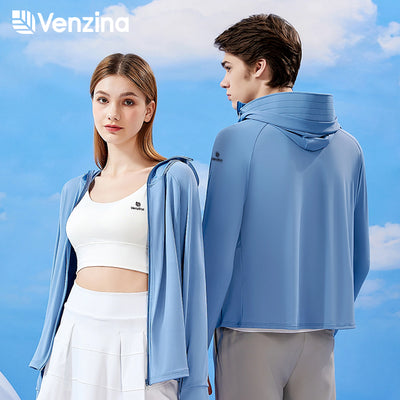
As a neutral example to compare specs against this checklist, you can browse commuter-oriented UPF 50+ options from Venzina and review their fabric weight, venting details, and rain-ready construction before deciding.
Care and maintenance for Indian summers (preserve UPF and breathability)
Good care protects your jacket’s UPF performance and keeps DWR working in humid climates. Use a mild detergent (or technical wash) per garment label and avoid fabric softeners and bleach, which can affect finishes and airflow. When water stops beading, clean first, then apply a reputable DWR treatment (wash-in or spray) and heat-activate if the label allows. Air-dry thoroughly to prevent mildew; store loosely and dry between commutes. For how wet-out affects breathability and step-by-step reproofing, see REI’s rainwear maintenance guidance and Nikwax’s re-waterproofing guide.
FAQs
-
What’s the difference between a UV protection jacket and a rain jacket? A UV protection jacket focuses on sun coverage (UPF), often using air-permeable fabrics for cooling. Fully waterproof rain shells typically have near-zero air permeability and rely on MVTR and vents; they can feel hotter in humidity.
-
Do I still need sunscreen with a UPF 50 jacket? Yes—use broad-spectrum sunscreen on exposed skin (face, hands) and reapply as directed by product guidance. Clothing protects only what it covers.
-
Is a darker color automatically better for UV protection? Dark colors may absorb more UV, but they also absorb more solar heat. For commuters in strong sun, a light, UPF-rated fabric often balances protection and heat better.
-
Will washing reduce a jacket’s UPF? Some finishes can change with heavy wear and washing. Follow the care label, avoid harsh chemicals, and replace gear if it shows thinning, abrasion, or excessive stretch.
-
What hydrostatic head rating should I look for? For 30–60 minute city showers, many commuter shells around 10k–20k mm HH with fully taped seams work well—paired with real vents for heat.
-
Where can I check local UV or heat alerts? For day-to-day planning, consult the India Meteorological Department’s bulletins and dashboards at mausam.imd.gov.in.
Closing: next steps
Use the six-step method to shortlist 2–3 candidates, then wear-test on your actual route. If you want a starting point for spec comparisons, explore commuter-friendly UPF 50+ options at Venzina’s sun protection jackets collection and check each product’s breathability features, venting, and rain construction against your checklist.