Skip to content
What to Wear in North India vs South India: A Complete Clothing Guide
- by IN Venzina

When selecting clothing for North India or South India, it’s important to consider the local weather, cultural preferences, and your own comfort. North India experiences very hot summers, sometimes soaring above 45°C, while winters can drop below 5°C, making layers essential. In contrast, South India’s climate is milder, with temperatures generally ranging from 25°C to 35°C throughout the year. Modesty and tradition are valued in both regions, and families often guide you in making appropriate choices. Choosing a windbreaker jacket, windcheater jacket, or winter windcheater jacket can help you stay comfortable and respectful of local customs, no matter where you are in India.
Key Takeaways
- North India gets very hot and very cold. Bring warm clothes for winter. Wear light cotton clothes in summer.
- South India is not as hot or cold. Wear cotton or linen to stay cool. These fabrics help you feel comfortable.
- Dress modestly to respect local customs. This is important in temples. Do not wear revealing clothes. Cover your shoulders and knees.
- Pick the right jacket for the weather. Wear a windbreaker on mild days. Use a windcheater if it rains. Wear a winter windcheater in cold North India months.
- Always bring a waterproof jacket. Pack quick-dry clothes for rain. This is important during monsoon season.
North vs South India: Weather and Clothing Basics
Climate Differences
When you go from North India to South India, the weather changes a lot. North India gets very hot in summer, sometimes up to 45°C. In winter, it can get cold, especially from November to February. Some places even have snow. South India is not as hot or cold. The temperature usually stays between 20°C and 32°C. The weather is tropical, and the ocean keeps it mild. When it rains during monsoon, the air feels warm and wet.
|
Region |
Temperature Range (°C) |
Precipitation Patterns |
|---|---|---|
|
North India |
38°C in March, up to 45°C in May |
Cold weather from mid-November to February, snowfall in higher areas |
|
South India |
20°C to 32°C |
Tropical monsoon climate, moderated by oceans |
If you pack for North India, bring layers for cold mornings and nights. In South India, wear light clothes that let your skin breathe. If you want to use a windbreaker jacket, windcheater jacket, or winter windcheater jacket, think about the weather and where you are. These jackets help you stay dry and warm in rain or wind.
many different styles, but tradition is important. In North India, many people wear salwar kameez. Women wear sarees or lehenga cholis for special days. In South India, men wear lungis or mundus. Women also wear sarees, but they wrap them in special ways and use different fabrics. What people wear depends on local customs and the weather.
-
Salwar kameez is worn by men and women in North India.
-
Sarees and lehenga cholis are for North Indian women at events.
-
South Indian men wear lungis or mundus.
-
South Indian women wear sarees with special draping and fabrics.
-
Clothes change with local traditions and the weather.
You should follow these rules, especially at temples or family events. Modesty is important, so do not wear very short or revealing clothes.
Similarities in Dress Code
Even though there are differences, some things are the same. Both regions like traditional clothes such as sarees and dhotis. People pick clothes that match the weather and show their culture.
many different styles, but tradition is important. In North India, many people wear salwar kameez. Women wear sarees or lehenga cholis for special days. In South India, men wear lungis or mundus. Women also wear sarees, but they wrap them in special ways and use different fabrics. What people wear depends on local customs and the weather.
-
Salwar kameez is worn by men and women in North India.
-
Sarees and lehenga cholis are for North Indian women at events.
-
South Indian men wear lungis or mundus.
-
South Indian women wear sarees with special draping and fabrics.
-
Clothes change with local traditions and the weather.
You should follow these rules, especially at temples or family events. Modesty is important, so do not wear very short or revealing clothes.
|
Commonality |
North India |
South India |
|---|---|---|
|
Traditional Attire |
Sarees and dhotis are prevalent |
Sarees and dhotis are also common |
|
Cultural Influence |
Historical and regional variations |
Rich cultural and artistic diversity |
|
Climate Adaptation |
Clothing reflects local climatic conditions |
Attire adapted to the local climate |
|
Connection to Heritage |
Embodies the unity of India's multicultural past |
Preserves diverse customs and traditions |
You can be comfortable and respect tradition by choosing the right clothes for the weather. If you wear a windbreaker jacket or a windcheater jacket, you will be ready for rain or wind and still look polite.
Windbreaker Jacket, Windcheater Jacket, and Winter Windcheater Jacket: What’s Right for India?
Picking the right jacket for India can be tricky. There are many choices, and each one is good for different weather. Let’s look at how a windbreaker jacket, windcheater jacket, or winter windcheater jacket can help you.
Windbreaker Jacket: Everyday Use
A windbreaker jacket is light and easy to wear. It is good for daily life. You can use it when you go to school, work, or walk in the park. The material is soft and lets air in, so you do not sweat a lot. You can fold it and put it in your bag. If you travel or ride a bike, it keeps you safe from wind or light rain.
Here are some ways to use a windbreaker jacket in India:
|
Scenario |
Windbreaker Use |
|---|---|
|
Daily Commute |
Lightweight, easy to wear |
|
Sports & Jogging |
Breathable, flexible |
|
Travel |
Packs small, stylish |
|
Office & College |
Casual, trendy |
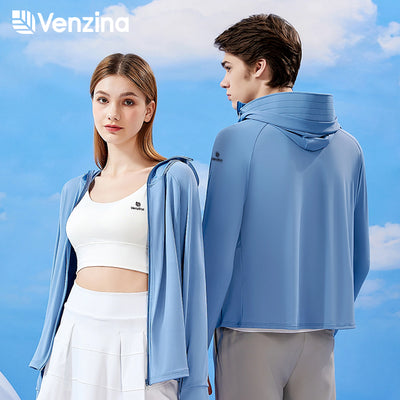
You can pick a Venzina men’s windbreaker jacket or a Venzina women’s windbreaker jacket. These jackets are good for North and South India. They are best for mild weather or when you need a quick layer. If you live in Delhi, Bengaluru, or Chennai, you will use this jacket a lot.
Tip: Keep a windbreaker jacket in your backpack when the weather changes. It is light, so you will not feel heavy.
Windcheater Jacket: Monsoon and Wind Protection
Monsoon season brings lots of rain and strong wind. You need a jacket that keeps you dry and blocks the wind. A windcheater jacket does this well. The fabric keeps water out, so you stay dry in the rain. It is also good for windy evenings, especially near the sea or in open places.
Let’s see how windcheater jackets and winter jackets are different in India:
|
Feature |
Windcheater Jacket |
Winter Jacket India |
|---|---|---|
|
Warmth |
Light to moderate |
Moderate to high |
|
Wind Protection |
Excellent |
Good to excellent |
|
Water Resistance |
Handles light rain |
Some are water-resistant |
|
Breathability |
High |
Moderate |
|
Weight |
Very lightweight |
Heavier than windcheaters |
|
Packability |
Packs small, easy to carry |
Bulkier, takes more space |
|
Style |
Sporty, casual, urban |
Casual, outdoor, sometimes formal |
|
Best For |
Daily commutes, city, travel |
Colder regions, hill trips, wint |
During monsoon in Mumbai or Kerala, many people wear windcheater jackets. You can choose a Venzina men’s windcheater jacket or a Venzina women’s windcheater jacket for rainy days. These jackets are good for North and South India when you want to stay dry and comfy.
Note: Windcheater jackets are great for going to school, shopping, or walking in the rain. You can wear them over traditional clothes and still look nice.
Winter Windcheater Jacket: Cold Weather
Winter in North India can be very cold. Places like Shimla, Manali, or Delhi get chilly in December and January. You need a jacket that keeps you warm and blocks cold wind. A winter windcheater jacket gives you extra warmth and protection. It is heavier than a normal windcheater, but you will like the warmth on cold mornings.
Here are winter temperatures in North India:
|
Region |
Average Winter Temperature |
Climate Conditions |
|---|---|---|
|
North India |
Below 5°C (Himalayan areas) |
Cold, misty, and foggy, especially in the north |
If you visit hill stations or live in the north, pick a Venzina winter windcheater jacket. It works for both men and women. The jacket keeps you warm, and the outside blocks wind and light rain. You can wear it over sweaters or traditional clothes.
When you buy a winter windcheater jacket, think about insulation. Down insulation is light and warm but does not work well if wet. Synthetic insulation stays warm even when damp, which is better for Indian winters with fog and mist.
Tip: Wear a sweater or thermal under your winter windcheater jacket for more warmth. This helps you stay comfortable when the weather changes.
Choosing the Right Jacket for North and South India
- In North India, you need all three: a windbreaker jacket for mild days, a windcheater jacket for monsoon, and a winter windcheater jacket for cold months.
- In South India, you mostly need a windbreaker jacket or windcheater jacket. Winters are not very cold, so you do not need a heavy jacket.
- For men and women, Venzina jackets are good for every season and place.
You can stay comfy and look good by picking the right jacket for your city, travel, and daily life. Whether you go to college, walk outside, or travel to the hills, you will find a windbreaker jacket, windcheater jacket, or winter windcheater jacket that works for you.
What to Wear in North India
Summer Clothing
You feel the heat in North India during summer. You want clothes that keep you cool and comfortable. Textile experts suggest cotton, linen, khadi, chiffon, and mulmul. These fabrics breathe well and help you stay fresh. You can wear light-colored cotton kurtas, linen shirts, or mulmul tops. Pair them with loose pants or skirts. If you go outside, a sun hat and sunglasses help protect you from the sun.
- Cotton: Soft and airy, perfect for hot days.
- Linen: Absorbs moisture, keeps you dry.
- Khadi: Sustainable and cool, good for kurtas.
- Chiffon: Light and elegant for evenings.
- Mulmul: Great for casual outings.
Winter Clothing and Layering
Winter in North India gets cold, especially in the mornings and evenings. You need to layer your clothes. Start with thermal wear, then add a sweater or fleece. Put on a wool blend jacket or a winter windcheater jacket for extra warmth. Outdoor clothing specialists recommend gloves, scarves, and hats. Layering helps you adjust to changing temperatures.
- Base layer: Thermal wear.
- Middle layer: Fleece or wool sweater.
- Outer layer: Down jacket or winter windcheater jacket.
- Accessories: Gloves, scarf, hat.
Monsoon Essentials
Monsoon brings rain and humidity. You want quick-dry clothes that do not stick when wet. Cotton blends with polyester dry faster. Wear track pants, cotton t-shirts, and full-sleeve tops to protect against mosquitoes. A windbreaker jacket windcheater jacket winter windcheater jacket keeps you dry. Use plastic slippers or sturdy rain boots for easy drying.
-
Quick-dry t-shirts and pants
-
Waterproof jacket or poncho
-
Full-sleeve shirts for insect protection
-
Light woolens for chilly mornings
Men’s Jacket Choices: Windbreaker, Windcheater, Winter Windcheater
You need different jackets for each season. In summer and monsoon, a windbreaker jacket or windcheater jacket works well. For winter, pick a winter windcheater jacket. These jackets help you stay comfortable whether you travel, commute, or go out with friends.
Women’s Jacket Choices: Windbreaker, Windcheater, Winter Windcheater
You can choose a windbreaker jacket or windcheater jacket for daily use and monsoon. For winter, a winter windcheater jacket gives you warmth and style. These jackets fit over traditional clothes and keep you dry and cozy.
Packing Tips for North India
|
Season |
Packing Essentials |
|---|---|
|
Winter |
Heavy jackets, warm layers, light woolens, warm accessories, thermal wear |
|
Summer |
Lightweight cotton clothing, sun hat, sunglasses, cooling towels, sunscreen |
|
Monsoon |
Waterproof jacket, quick-dry clothing, waterproof bags, sturdy rain boots |
Tip: Always pack a jacket for sudden weather changes. You stay ready for rain, wind, or cold.
What to Wear in South India
Hot and Humid Weather Clothing
South India feels hot and sticky when you go outside. To stay cool, wear clothes that let air move around your body. Pick natural fabrics like cotton and linen. These help you stay cool and soak up sweat. Synthetic fabrics can make you feel even more sweaty and sticky, so try not to wear them.
- Cotton and linen shirts, kurtas, and tops
- Loose-fitting pants, palazzos, or skirts
- Light colors to reflect sunlight
- Simple sandals or open footwear
If you need a light layer, use a Venzina windbreaker jacket. It is good for mornings or windy evenings. This jacket is light and does not make you feel hot.
Monsoon and Rain Protection
Monsoon in South India brings lots of rain and sticky weather. You need clothes and things that keep you dry and fresh. Wear loose clothes made from fabrics that breathe. Quick-dry materials like cotton blends or nylon are good for sudden rain.
- Lightweight windbreaker jacket or windcheater jacket for rain protection
- Dark-colored clothes to hide mud stains
- Waterproof footwear like rubber sandals or shoes
- Compact umbrella for quick shelter
- Waterproof bags and covers for your belongings
- Quick-dry hair accessories
You can wear a Venzina men’s windcheater jacket or women’s windcheater jacket over your clothes. This keeps you dry but does not feel heavy.
Men’s Jacket Choices: Windbreaker, Windcheater
Men in South India can pick from two jackets. A windbreaker jacket is great for light wind or small rain. It is easy to carry and feels nice. For heavy rain, a windcheater jacket keeps water out better. Both jackets are good for going to work, traveling, or playing outside.
|
Jacket Type |
Best Use |
Features |
|---|---|---|
|
Windbreaker Jacket |
Mild wind, light rain |
Lightweight, breathable |
|
Windcheater Jacket |
Monsoon, heavy rain |
Water-resistant, durable |
Women’s Jacket Choices: Windbreaker, Windcheater
Women can use a windbreaker jacket for daily wear or a windcheater jacket for rainy days. These jackets fit over sarees, kurtis, or western clothes. They help you stay dry and comfy if you go to college, work, or shopping.
Tip: Put a windbreaker jacket in your bag during monsoon. You might need it if it starts raining suddenly!
Packing Tips for South India
When you pack for South India, think about the weather and what you will do each day. You want to stay dry, cool, and comfortable.
-
Pack waterproof gear for rainy days
-
Choose waterproof footwear to avoid slipping
-
Include quick-dry clothing for comfort
-
Use water-resistant bags to protect your belongings
-
Carry a spare set of clothes for emergencies
-
Protect electronics from moisture
-
Plan outdoor activities in the morning to avoid afternoon rains
You are ready for anything if you pack smart. A Venzina windbreaker jacket or windcheater jacket is a good thing to add to your travel bag.
Practical Tips for Indian Travelers
Seasonal Adjustments and Layering
You face different weather in India, so you need to adjust your clothing. In winter, layering works best. Start with a thermal or cotton base. Add a sweater or fleece. Top it off with a windbreaker jacket or winter windcheater jacket. This keeps you warm and lets you remove layers if the sun comes out. During monsoon, waterproof gear is important. A windcheater jacket protects you from rain and wind. In summer, wear light layers. You can use a men's windbreaker jacket or women's windbreaker jacket for cool mornings or evenings.
Tip: Always pack a jacket, even if the weather looks clear. Sudden rain or wind can surprise you.
Choosing Fabrics and Accessories
You stay comfortable when you pick the right fabrics. Cotton, linen, and bamboo work well in hot and humid places like Chennai or Kochi. These natural fibers let air move and wick away sweat. You feel less sticky and more relaxed. Over 40% of people in southern India choose natural fibers for daily wear. For accessories, carry a scarf or shawl. You can use it to cover your head in temples or protect yourself from dust. Waterproof bags and shoes help during monsoon. Sunglasses and hats shield you from the sun.
|
Fabric |
Best For |
Why Choose It |
|---|---|---|
|
Cotton |
Summer, humidity |
Breathable, soft |
|
Linen |
Hot weather |
Absorbs moisture |
|
Bamboo |
All seasons |
Eco-friendly, cool |
Dos and Don’ts for Indian Weather
You want to respect local customs and stay comfortable. Here are some simple rules:
- Dress modestly, especially at temples. Cover your shoulders and knees.
- Remove your footwear before entering sacred places.
- Carry a scarf or shawl for temple visits.
- Keep quiet and peaceful in worship areas.
- Check with temple staff about photography rules.
- Avoid loud talking and respect prayers.
- Choose clothes that reflect respect for traditions.
Note: When you follow these tips, you blend in and show respect for Indian culture. You also stay ready for any weather change.
You now know how North and South India differ in weather and clothing needs. North India calls for layers and a winter windcheater jacket during cold months. South India stays mild, so a windbreaker jacket or windcheater jacket works best.
Quick tips:
- Men and women should pack a windbreaker jacket for daily use.
- Choose a windcheater jacket for monsoon.
- Pick a winter windcheater jacket for North Indian winters.
- Stay comfortable and respect local customs wherever you travel!
FAQ
What is the difference between a windbreaker jacket and a windcheater jacket?
A windbreaker jacket is light and breathable. You use it for mild wind or light rain. A windcheater jacket gives you better protection from heavy rain and strong wind. Both work well for daily life in India.
When should you wear a winter windcheater jacket in North India?
You need a winter windcheater jacket during cold months, especially from November to February. It keeps you warm in chilly mornings and evenings. You feel comfortable when temperatures drop below 10°C.
Can you wear a windbreaker jacket over traditional Indian clothes?
Yes, you can wear a windbreaker jacket over sarees, kurtas, or shirts. It fits easily and keeps you dry during sudden rain or wind. You stay comfortable and respect local customs.
Which jacket is best for South India’s monsoon season?
You should pick a windcheater jacket for South India’s monsoon. It protects you from heavy rain and keeps you dry. You can also use a windbreaker jacket for light showers or windy evenings.
Do men and women need different types of jackets in India?
Men and women can use similar jackets. You choose a men’s windbreaker jacket or women’s windcheater jacket based on fit and style. Both offer good protection for Indian weather.