Skip to content
Best Sun Protection Cap in India 2026 Bucket Hat vs Baseball Cap Guide
- by IN Venzina

That Cap You're Wearing Probably Isn't Protecting You From the Sun
Most people grab a cap before stepping out in Indian summer and move on with their day. It feels like enough. The problem is that a standard cap — cotton, polyester, or otherwise — carries no UV rating. It blocks visible light from above, but UV radiation still passes through the fabric and wraps around the brim.
A proper sun protection cap is a tested, certified product. The fabric has been measured for how much UV it blocks, not just how much shade it provides. For daily commuters in Indian cities, motorcycle riders, and anyone regularly outdoors between 10am and 4pm, that's a meaningful difference — not a technical detail.
This guide compares the two main types — bucket hats and baseball caps — and lays out clearly which situation each one is suited for. The goal is to help you make a practical choice, not to push one style over another.
Indian Summer Isn't Just Hot — Your Skin Is Under Constant UV Attack
India's UV index during summer months — typically April through July, and in coastal or high-altitude areas for longer — sits at high or very high for most of the day. The peak window, 10am to 4pm, is also when most working people are commuting, running errands, or spending time outdoors.
Sunscreen is the default answer for many people, but it has practical limits in this context. It needs reapplication every two hours. Sweat, helmet contact, and physical activity reduce its effectiveness faster than most people expect. And even regular users tend to skip the scalp, ears, and back of the neck — which are exactly the areas that accumulate the most sun exposure over time.
A UV protection cap rated to UPF 50 blocks 98% of UV rays passing through the fabric. A standard cotton cap, even a thick or dark one, has no certified rating and no guaranteed protection level. The gap is real, and it adds up across a season of daily exposure.
What a Proper Sun Hat Does That Sunscreen Simply Can't
It covers the spots sunscreen always misses
The scalp, tops of the ears, and the back of the neck are the areas most likely to be forgotten — and the first to show cumulative sun damage. A sun hat with a proper brim covers all three without any extra steps. For people who spend one to two hours outdoors daily, this alone justifies the switch from an unrated cap.
It works through a full day of riding or commuting
For motorcycle and bicycle commuters, sunscreen breaks down quickly — helmet contact, sweat, and wind all reduce its effectiveness within the first hour. A UPF-certified mens sun protection hat that fits stably under or alongside a half-helmet keeps working through the whole ride without needing attention.
Breathable UPF fabric is cooler than it sounds
The assumption is that more fabric means more heat. In practice, a UPF hat in lightweight polyester mesh or nylon performs better than going bare-headed in direct sun, because it prevents the scalp from absorbing and radiating heat. Most people who make the switch report feeling less hot outdoors, not more.
It removes the daily reapplication problem entirely
For delivery riders, outdoor workers, students walking between classes, and morning-to-evening commuters, the cumulative UV exposure across a working week is significant. A sun protection cap worn consistently requires no repeat action. It works as long as you have it on.
Bucket Hat, Baseball Cap, or Visor — Which One Is Actually Right for You?
The honest answer is that both bucket hats and baseball caps serve different situations well. Understanding the trade-offs is more useful than a blanket recommendation.
Choose a Bucket Hat If Coverage Is the Priority
A bucket hat provides 360-degree brim coverage. The face, ears, and back of the neck are all shaded at once, which no baseball cap can match. For walkers, travellers, people working in open sunlight, and anyone spending extended time outdoors without a helmet, it's the more protective choice.
The trade-offs: a wide brim catches wind at speed, making it less suited for cycling or motorcycle riding unless the hat has a chin strap. The style is also more distinctive in urban settings, which matters to some people. Packable versions that fold flat solve the portability issue and make bucket hats practical for commutes and travel without dedicated carrying space.
Choose a Baseball Cap for Active or Urban Use
A structured baseball cap fits close to the head, stays stable at speed, and works in situations where a bucket hat would be impractical. For motorcycle commuters, cyclists, outdoor sport, and general urban daily wear, it's the more convenient option. It also transitions easily between outdoor and indoor settings without looking out of place.
The limitation is straightforward: the neck, ears, and sides of the face get no coverage. For someone mostly exposed to overhead sun — walking under tree cover, or commuting during early morning — that gap is manageable. For sustained open-air exposure, it leaves meaningful areas unprotected.
Visor Caps — When Airflow Matters More Than Coverage
Sun visor caps leave the crown of the head open, which maximises ventilation. They suit running, gym sessions, beach activity, and high-intensity outdoor sport where a closed hat would feel stifling. Coverage is the explicit trade-off — no top protection at all.
Four Things to Check Before Buying
- UPF rating — aim for UPF 50 or UPF 50+; this is the standard that provides tested, certified protection
- Brim width — for a bucket hat, at least 2.5 inches provides realistic coverage for the face and neck
- Fabric — lightweight polyester mesh or nylon breathes significantly better than cotton in Indian summer heat
- Packability — a hat that folds flat is more likely to actually be carried and worn daily
Three UPF 50 Hats Built for Indian Outdoor Conditions
Once you've identified the type that fits your situation, the next step is finding a hat that actually carries a certified UPF rating. The three options below from Venzina cover the main use cases and all meet the UPF 50 standard.
For Daily Commuters and Travellers — Bucket Hat UPF 50 Packable
Wide-brim coverage across the face, ears, and neck. UPF 50 certified. Folds flat into a bag or jacket pocket, which makes it a realistic option for urban commuters rather than something left at home. Suitable for both men and women.
→ View: Bucket Hat UPF 50 Packable

For Riders, Cyclists, and Active Use — UPF 50 Breathable Baseball Cap
Structured, breathable, and UPF 50 certified. Fits stably during movement and works alongside a half-helmet for motorcycle commuters. Low-profile enough for daily urban wear without looking out of place indoors or at work.
→ View: UPF 50 Breathable Baseball Cap for Sports

For Unpredictable Weather — Packable Bucket Hat Lightweight Waterproof
A bucket hat that handles both UV and light rain — which matters in India's transitional months when a hot afternoon can shift to a shower without warning. Lightweight and packable, so it earns its place in a bag year-round.
→ View: UPF 50 Packable Bucket Hat Lightweight Waterproof

→ Browse all sun hat options at Venzina
How to Actually Get the Most Out of Your Sun Hat
Pair It With Sun Protective Clothing for Full Upper-Body Coverage
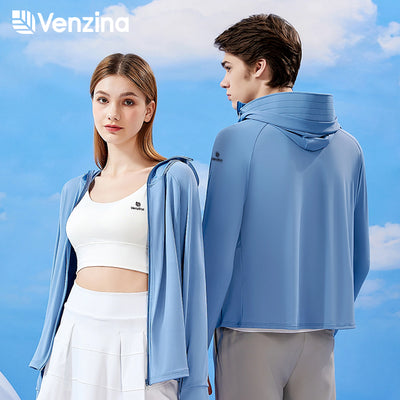
A hat covers the head. It doesn't cover the arms, shoulders, or torso. For riders or anyone spending more than an hour outdoors, pairing a UPF cap with a sun protection jacket removes the need to apply and reapply sunscreen on the upper body at all. It's a more consistent and practical solution for people with active outdoor routines.
The Colour Question — Light or Dark, Which Is Better?
Lighter colours reflect surface heat and tend to feel cooler on hot days. Darker colours absorb slightly more UV at the fabric level. Once you're choosing between two UPF 50-rated hats, the difference in actual UV protection between a light and dark version is minimal. Prioritise comfort: choose lighter shades if staying cool matters most, and rely on the UPF rating for the protection itself.
Keeping the UPF Rating Intact Wash After Wash
The UV-blocking treatment in the fabric degrades with machine washing and tumble drying. Hand washing in cold water and drying in shade extends the hat's effective lifespan significantly. If you're washing weekly, this habit makes a noticeable difference over a season.
The Bottom Line: Any Hat Is Better Than No Hat — But the Right Hat Is Better Than Either
The bucket hat versus baseball cap decision comes down to one question: how much time do you spend in open sun versus on the move?
Wide-brim bucket hats cover more ground. They protect the face, neck, and ears simultaneously, and they work best for walking, travel, and prolonged outdoor exposure. Baseball caps are more practical for riders, cyclists, and urban daily wear — the fit is stable, the profile is low, and the trade-off in coverage is manageable for most people's daily routines.
Either way, the single thing that separates a sun protection cap from a regular one is the UPF rating. Check for it before buying. Everything else is preference.
FAQs
Which colour cap is best for summer in India?
Light colours — white, beige, light grey — reflect surface heat and feel cooler to wear. Dark colours absorb slightly more UV at the fabric surface. In practice, once a hat carries a UPF 50 rating, the colour makes very little difference to how much UV protection you actually get. Both a white and a navy UPF 50 cap block 98% of UV. Choose based on comfort in the heat; rely on the UPF rating for protection.
What is a UPF hat — is it really different from a regular cap?
Yes, in a measurable way. UPF (Ultraviolet Protection Factor) is a tested, certified rating for fabric. A UPF 50 hat blocks 98% of UV rays passing through the fabric. A regular cotton or polyester cap has no certification and can vary widely — some block very little. The difference matters most during peak UV hours and for people who are outdoors consistently across a season.
What is the best sun hat for women in India?
For general outdoor use and travel, a wide-brim packable bucket hat with UPF 50 is the most practical choice — it covers the face, neck, and ears without requiring anything else. For cycling or active use, a fitted UPF baseball cap is more stable. The right answer depends on how you'll actually use it, not on style alone.
Can a regular baseball cap protect me from the sun?
A standard baseball cap provides shade directly above the forehead — it reduces glare but doesn't block UV passing through the fabric or around the sides. A UPF-certified baseball cap performs better because the fabric itself carries a UV-blocking rating. For maximum coverage — including neck and ears — a wide-brim bucket hat is more effective. For riding and sport, the structured fit of a baseball cap is the practical trade-off.
Are bucket hats actually good for sun protection in India?
Yes, particularly wide-brim styles with UPF 50+ certification. The 360-degree brim covers areas a baseball cap completely misses — the back of the neck and the ears. The limitation is wind stability at speed, which matters for two-wheeler commuters. A chin strap solves this. Packable versions make daily carry realistic rather than a deliberate act.
What should I look for in a sun protection cap in India?
Start with the UPF rating — UPF 50 is the standard to look for. After that: brim coverage for the areas you care about, breathable fabric for Indian summer heat, and packability if you need to carry it. Avoid caps sold purely on colour or appearance without a certified UV rating — they may provide shade, but shade and UV protection are not the same thing.